Entry · Ref QEALOESJ
How to Make Thin Crust Cheese Pizza at Home
- Posted
- 2026-11-09
- Last amended
- 2026-11-09
- Account
- @cashthaz596
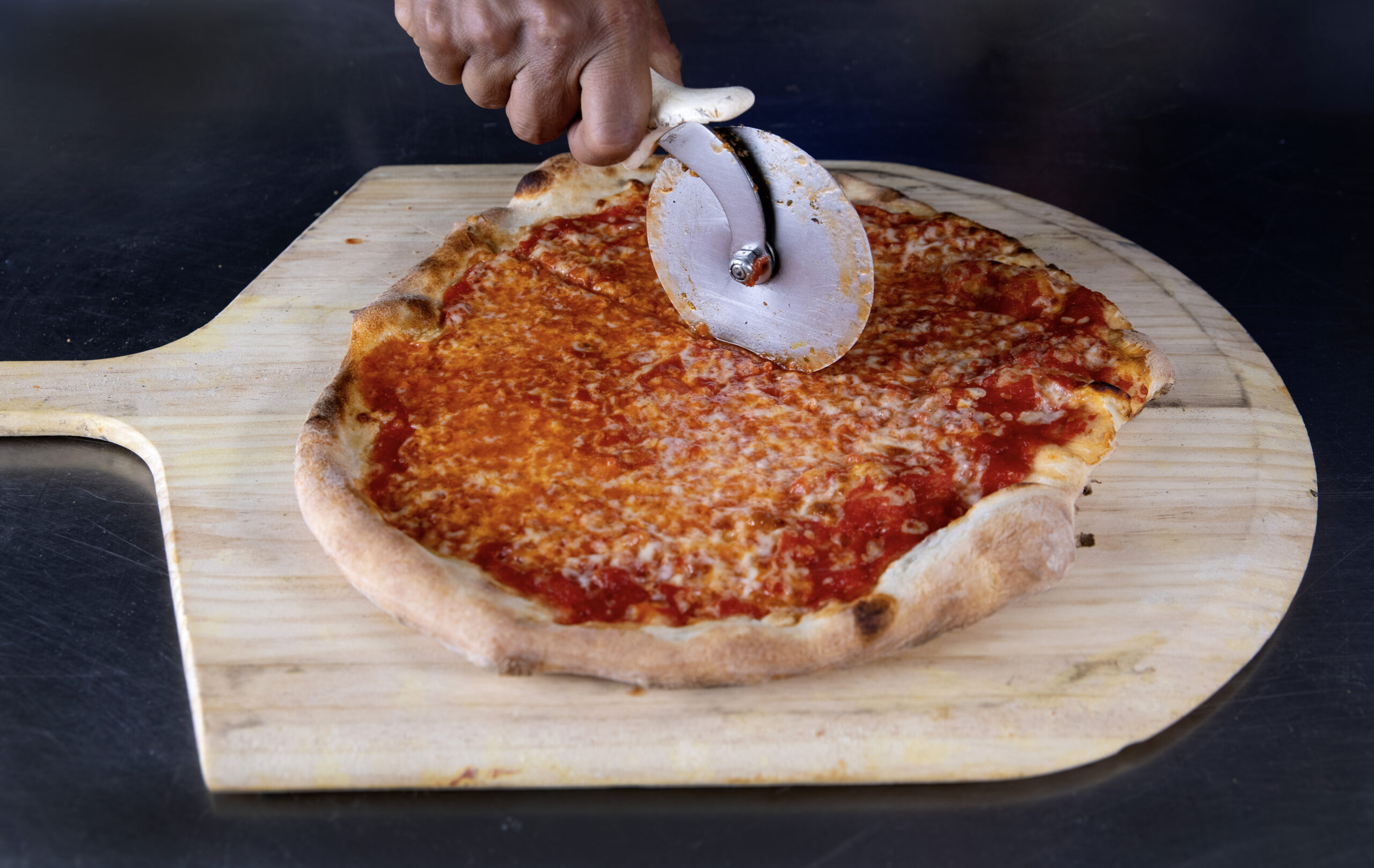
There is a particular kind of disappointment that comes from pulling a homemade pizza from the oven, slicing into it, and hearing nothing. No crackle from the edge, no clean snap through the bottom, no contrast between a crisp crust and molten cheese. The flavor may still be good, but thin crust pizza depends on texture as much as taste. When it works, it feels effortless. When it does not, the usual problem is not the recipe, it is the method.
A proper thin crust cheese pizza is less about piling on toppings and more about control. Control of moisture, heat, fermentation, thickness, and timing. Cheese pizza, especially, leaves nothing to hide behind. If the dough is bland, you notice it. If the sauce is watery, the center sags. If the oven is underpowered, the crust dries before it browns. The upside is that once you understand the mechanics, this is one of the most repeatable pizzas to make at home.
I have made thin crust pizza on sheet pans, on preheated steel, on stone, on the back of a cast iron griddle, and on the sort of flimsy pizza pans that seem to exist mainly to teach people what not to buy. The best versions always come back to the same principles. You need a lean dough, a hot surface, a restrained hand with sauce and cheese, and enough patience to let the dough develop flavor before you bake it.
What thin crust actually means
Thin crust means the dough is rolled or stretched much thinner than a classic hand-tossed pie, with very little interior crumb. It is not focaccia-thin, and it is not cracker-dry unless that is the regional style you want. Most home cooks are chasing something in the middle: a crust that is crisp underneath, lightly blistered on top, and sturdy enough to hold a slice without flopping.
That style depends on a dough with moderate hydration, usually around the upper 50s to low 60s by percentage. A wetter dough can produce dramatic oven spring and open crumb, but that is usually not what you want here. Thin crust benefits from a drier, easier-to-shape dough that can be rolled or stretched very evenly.
Flour matters, though not in a fussy way. Bread flour gives you slightly more chew and structure because of the higher protein. All-purpose flour makes a more tender crust and is perfectly good for home baking. If your goal is a classic thin cheese pizza with some snap, a blend of the two works beautifully. I often use mostly bread flour with a small portion of all-purpose, especially when I know the pizza will bake on steel at very high heat.
The ingredient choices that make the biggest difference
Thin crust dough has few ingredients, which means each one pulls real weight. Flour is obvious, but water temperature, yeast amount, salt level, and olive oil all influence the final crust.
Salt should not be timid. A common problem in homemade pizza dough is underseasoning. Even with flavorful sauce and cheese, the crust tastes flat if the dough is not salted enough. Around 2 percent salt by flour weight is a sound target. For 500 grams of flour, that means about 10 grams of salt.
Yeast is where restraint pays off. More yeast makes dough rise faster, but not better. Thin crust pizza improves when the dough spends time in the refrigerator. A slow fermentation develops a deeper wheat flavor and makes the dough easier to digest and easier to shape. If you mix the dough today for tomorrow night, you can use a modest amount of instant yeast and let time do the work.
Oil is optional in some pizza styles, but useful in thin crust. A small amount, often 2 to 4 percent of the flour weight, helps tenderness and browning. It also gives the finished crust a cleaner bite. Too much oil, though, can make the dough feel short and less crisp. A tablespoon or so in a home-sized batch is enough.
The sauce should be thick enough to stay where you spread it. People often overcomplicate this part. For a cheese pizza, a simple uncooked tomato sauce can be excellent, provided the tomatoes are not watery. Crushed tomatoes drained briefly, seasoned with salt, a little olive oil, and perhaps a pinch of oregano or grated garlic, usually outperform heavily cooked sauces on thin crust. You want brightness, not heaviness.
Then there is the cheese. Low-moisture mozzarella is more forgiving than fresh mozzarella because it melts evenly and releases less water. A mix of whole milk and part-skim mozzarella gives a nice balance of richness and browning. If you want more flavor, add a light dusting of Parmesan or pecorino, but do not bury the pizza under cheese. Thin crust Cheese Pizza brooklynpizzaboulder.com rewards restraint. Too much cheese insulates the sauce, slows evaporation, and weighs down the center.
A reliable home formula
For two medium thin crust pizzas, enough for four people depending on appetite, this ratio works well in a standard home kitchen.
- 500 grams flour, bread flour or a bread and all-purpose blend
- 300 grams water, about 60 percent hydration
- 10 grams fine salt
- 3 grams instant yeast
- 15 grams olive oil
That dough formula is dependable because it is easy to handle and bakes crisp without becoming brittle. If your kitchen is very warm and the dough is fermenting quickly, reduce the yeast slightly. If you want same-day dough, you can increase it a bit, but the flavor will be less developed. I prefer making the dough a day ahead whenever possible.
For the topping, think in proportions rather than strict rules. On each pizza, roughly 1/3 to 1/2 cup of sauce and 4 to 5 ounces of shredded low-moisture mozzarella is usually enough. That may look sparse if you are used to thicker, more heavily topped pies. Once baked, it reads as balanced rather than skimpy.
Mixing and fermenting the dough
You do not need a stand mixer. In fact, thin crust dough is one of the easiest to mix by hand. Stir the flour, salt, and yeast together first so the yeast disperses evenly. Add the water and olive oil, then mix until no dry flour remains. At this stage the dough may look rough. That is fine. Let it rest for 15 to 20 minutes before kneading. That short pause hydrates the flour and saves effort.
Knead just until the dough becomes smooth and cohesive, usually 4 to 6 minutes by hand. You are not trying to build an exaggerated gluten network for airy cornicione. You want enough elasticity to shape the dough thinly without tearing, but not so much tension that it shrinks back aggressively.
After kneading, place the dough in a lightly oiled container, cover it, and let it sit at room temperature for about 30 to 60 minutes, until it shows the first signs of fermentation. Then divide it into two balls and refrigerate them, covered, for at least 18 hours and up to about 3 days.
That cold fermentation window is where the dough becomes interesting. On day one, it is good. On day two, it often hits its stride, easier to stretch, better flavored, and more evenly browned. By day three, it can be excellent, though you need to handle it gently because the gluten relaxes more.
Before baking, pull the dough from the refrigerator 60 to 90 minutes in advance. If it is still stiff and cold at shaping time, it resists rolling and tends to spring back. If it gets too warm, it becomes sticky and harder to transfer.
Heat is the real secret
Most weak homemade pizza comes down to not enough bottom heat. Home ovens can produce very good thin crust pizza, but only if you help them. A preheated pizza steel is the most effective tool because it stores and transfers heat aggressively. A baking stone also works, though it usually browns a bit more slowly. If you have neither, an inverted heavy sheet pan preheated in the oven is still better than baking on a cold tray.
Set the oven as high as it goes, usually 500 to 550 degrees Fahrenheit. Preheat for at least 45 minutes, and an hour is better. If your oven has a convection setting, try it once you know how your dough behaves. It can improve browning and moisture evaporation, though it may also darken the cheese faster than expected.
Broilers can help, but timing matters. A common approach is to bake the pizza until the crust is mostly done, then switch on the broiler briefly for extra top color. If you broil too early, the cheese can burn before the underside crisps. Every oven is eccentric, so the first few pizzas are partly a calibration exercise.
Shaping without fighting the dough
Thin crust can be rolled or stretched by hand. Purists sometimes resist the rolling pin, but on a genuinely thin pizza it is practical and consistent. It helps you create an even thickness, which means the pizza bakes at the same rate from center to edge. If you like a barely raised rim, stretch by hand first, then use a rolling pin to refine the center while leaving the outer half-inch slightly thicker.
Flour the work surface lightly. Too much flour burns on the steel or stone and leaves a bitter underside. Press the dough into a disk, then roll from the center outward, turning as you go. If it snaps back, let it rest for five minutes and continue. For a medium pizza, aim for roughly 11 to 12 inches across, depending on your oven and baking surface.
The dough should feel thin, but not translucent. If you can see the countertop pattern clearly through it, you have probably gone too far. A few tiny bubbles under the surface are a good sign. Pop any giant ones before topping.
The part where most people overload the pizza
Cheese pizza sounds simple, and that simplicity tempts people to compensate with volume. More sauce for more flavor, more cheese for more indulgence. The result is usually a wet center and a pale crust.
Apply the sauce in a thin layer, leaving a narrow border around the edge. You should still be able to sense the dough beneath it rather than seeing a deep red blanket. Then add the cheese evenly, right to the edge of the sauce but not mounded in the middle. I prefer shredded mozzarella for even melt, though torn slices also work if they are distributed carefully.
If you want a little extra dimension, a light shower of grated Parmesan over the mozzarella helps browning and adds savoriness. A few drops of olive oil are useful too, especially if your mozzarella is part-skim. But keep the spirit of the pie intact. Thin crust cheese pizza should taste balanced, not overloaded.
The bake, from launch to slice
This is the stage where preparation matters. Once the dough is topped, it should go into the oven promptly. Letting a topped thin crust sit on the counter is a good way to end up with a stuck peel and a soggy center.
- Preheat your oven with a steel or stone inside at 500 to 550 degrees Fahrenheit for at least 45 minutes.
- Shape the dough, transfer it to a floured peel or parchment, and top it lightly with sauce and cheese.
- Bake until the edges are browned and the underside is crisp, usually 6 to 10 minutes depending on your surface and oven.
- If the top needs more color, use the broiler for 30 to 60 seconds, watching continuously.
- Rest the pizza for about 1 minute before slicing so the cheese settles but the crust stays crisp.
That short rest matters more than people realize. Slice immediately and the cheese can skid off in one sheet. Wait too long and steam softens the crust. About a minute is the sweet spot.
When done well, the bottom should show dark golden mottling rather than a uniform pale tan. The edge should be crisp enough to crackle faintly when cut. The center slice should lift cleanly with only a little droop near the tip.
Common problems and the fixes that actually work
If the crust is pale and hard rather than crisp, the oven or baking surface was likely not hot enough. Hardness without color often means the dough dried out before it properly browned. Preheat longer, bake on steel if possible, and consider reducing the bake time with higher heat.
If the center is soggy, start by looking at moisture. Thick sauce, too much sauce, fresh mozzarella that was not drained, or overloaded cheese are the usual culprits. Sometimes the dough was also shaped too thick in the center. On thin crust, small imbalances become obvious.
If the pizza sticks to the peel, use less topping time and more confidence at launch. Assemble faster. A 50-50 mix of flour and semolina on the peel can help, though too much semolina burns. Some home bakers use parchment for the first couple of minutes, then slide it out once the base sets. That is a practical workaround, especially while learning.
If the dough keeps shrinking during shaping, it either needs more rest or it was overworked. Let it relax for five to ten minutes, then resume. This is common with dough that has not warmed enough after refrigeration.
If the cheese browns before the crust finishes, move the pizza lower in the oven, skip the broiler, or use slightly less sugar in the sauce if your sauce contains any. Whole milk mozzarella also browns faster than part-skim, which is not a flaw, but it changes the timing.
Small upgrades that are worth it
Not every pizza tool earns its shelf space, but a few do. A steel is worth the investment if you make pizza regularly. It shortens baking time, improves bottom browning, and makes results more consistent. A digital scale is equally important, perhaps more so. Pizza dough responds noticeably to even modest measurement errors, especially with salt and water.
A wooden peel is easier for launching raw pizza because dough sticks less readily to wood than metal. A metal peel, thinner and more agile, is better for retrieving and turning the pizza. If you only buy one, buy the one you know you will use confidently. A clumsy transfer can undo excellent dough in seconds.
I also recommend a bench scraper, which sounds minor until you start handling dough often. It makes dividing, lifting, and cleaning easier. In a pizza workflow, those little efficiencies reduce the chance of overflouring, tearing, or rushing.
A note on flouring, because it matters more than recipes admit
Flour on the bench is useful. Flour under the pizza is a risk. Excess flour left under a thin crust scorches quickly on a hot surface, leaving black patches and a stale, bitter taste. Use just enough to prevent sticking, then brush off the extra before topping if needed.
This is one reason dough feel matters so much. A well-fermented dough at the right hydration should be slightly tacky, not gluey. If you find yourself dumping flour everywhere to make it manageable, something went wrong earlier, either too much water, not enough kneading, or insufficient cold rest.
Sauce and cheese pairings that suit thin crust
Cheese pizza may sound like a single category, but there is room for nuance. A bright, lightly seasoned tomato sauce pairs well with whole milk mozzarella if you want a richer, classic pizzeria feel. A slightly sharper sauce with a touch of garlic and oregano pairs better with part-skim mozzarella and a dusting of Parmesan, especially if you like a drier, crisper finish.
One combination I return to often is simple crushed tomatoes with salt, olive oil, and a pinch of dried oregano, topped with mostly low-moisture whole milk mozzarella and a final teaspoon or two of finely grated pecorino after baking. It tastes focused, not flashy. On a thin crust, that focus matters. Every bite should carry tomato, dairy, and toasted wheat in balance.
Timing the whole process for a weeknight
Thin crust cheese pizza is surprisingly manageable on a worknight if the dough is made in advance. Mix the dough the night before or even two nights before. On baking day, take it from the refrigerator while the oven preheats. Make the sauce during that time, shred the cheese, and clear a small landing area for shaping and launching.
From the moment the dough hits the counter to the moment you slice the pizza, the active work is not long. What takes time is the preheat, and that is mostly passive. Once you get the rhythm, you can bake two pizzas in a row without feeling like you spent the evening producing them.
That is one of the real pleasures of homemade Cheese Pizza. It looks simple, but it rewards craft. Not elaborate craft, just attentive craft. A little weighing, a little patience, a little discipline with toppings, and enough heat to do the dough justice.
When to bend the rules
There are times when strict thin crust logic can relax. If you are baking for children or for people who prefer a softer slice, shape the dough a touch thicker in the rim and pull the pizza a minute earlier. If your oven tops out at a lower temperature, a lightly oiled perforated pizza pan can help the base crisp more effectively than a thick, overloaded sheet tray. If you love a more cracker-like crust, roll the dough thinner and dock it lightly with a fork to limit bubbling.
Those are adjustments, not compromises. Good home pizza is not about copying a commercial deck oven exactly. It is about understanding the variables you can control and using them to produce a pie that tastes deliberate.
Thin crust cheese pizza at home does not need mystery, and it does not need perfection on the first try. It needs a solid dough, a very hot oven, and the confidence to keep the toppings light. Get those right, and the rest becomes refinement. The reward is immediate: a crisp edge, a browned underside, bubbling cheese, bright tomato, and a slice that disappears faster than you expected.
Brooklyn Pizza
1647 Arapahoe Ave
Boulder, CO 80302
+1 720-328-2324
FAQ About Cheese Pizza
What type of cheese is used on a cheese pizza in Boulder, CO?
The cheese varies by pizzeria. Brooklyn Pizza uses whole-milk mozzarella made in-house on its standard pies and offers a plant-based cheese option for vegan pizza. Ask the shop directly about ingredients if you have a dietary restriction.
How many slices are in a large pizza in Boulder, CO?
Slice count depends on how the shop cuts the pie. Brooklyn Pizza lists a 16-inch large pizza. If you are ordering for a group, call to confirm the number of slices or ask whether a smaller cut is available.
What is New York style pizza in Boulder, CO?
New York-style pizza usually has a thin crust and wide slices that can be folded. A classic cheese slice pairs tomato sauce with mozzarella. Brooklyn Pizza serves New York-style pizza by the slice and as whole pies.