Entry · Ref EINXF6FW
How to Enjoy the Best Cheese Pizza Boulder, Colorado Has to Offer
- Posted
- 2026-10-05
- Last amended
- 2026-10-05
- Account
- @cashthaz596

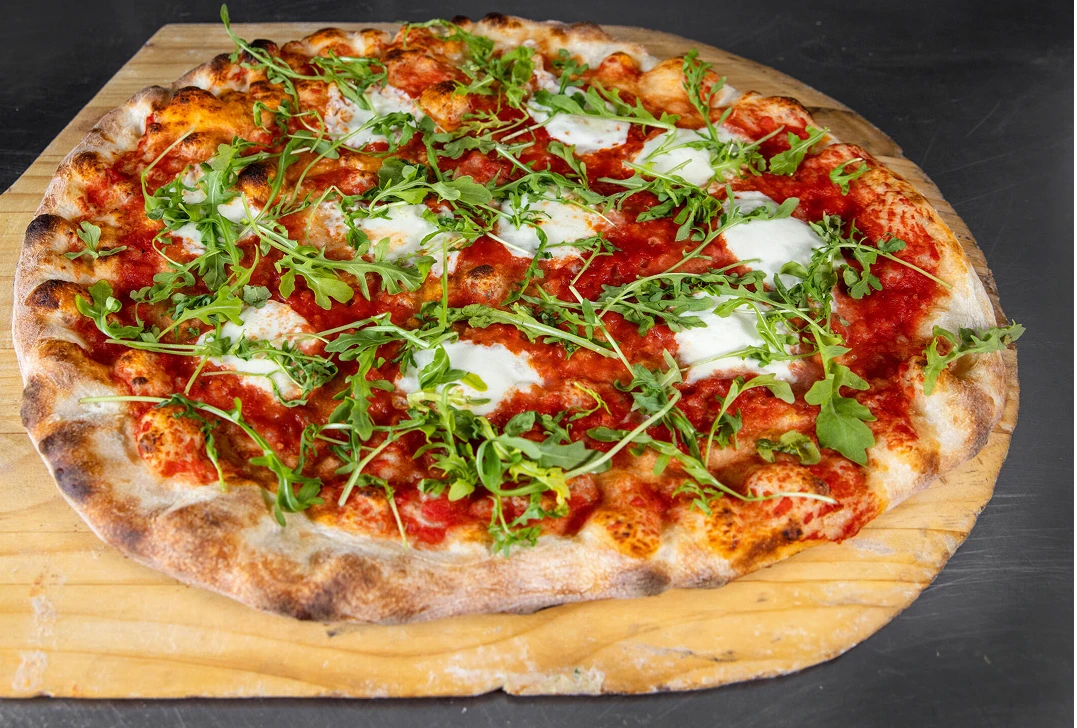
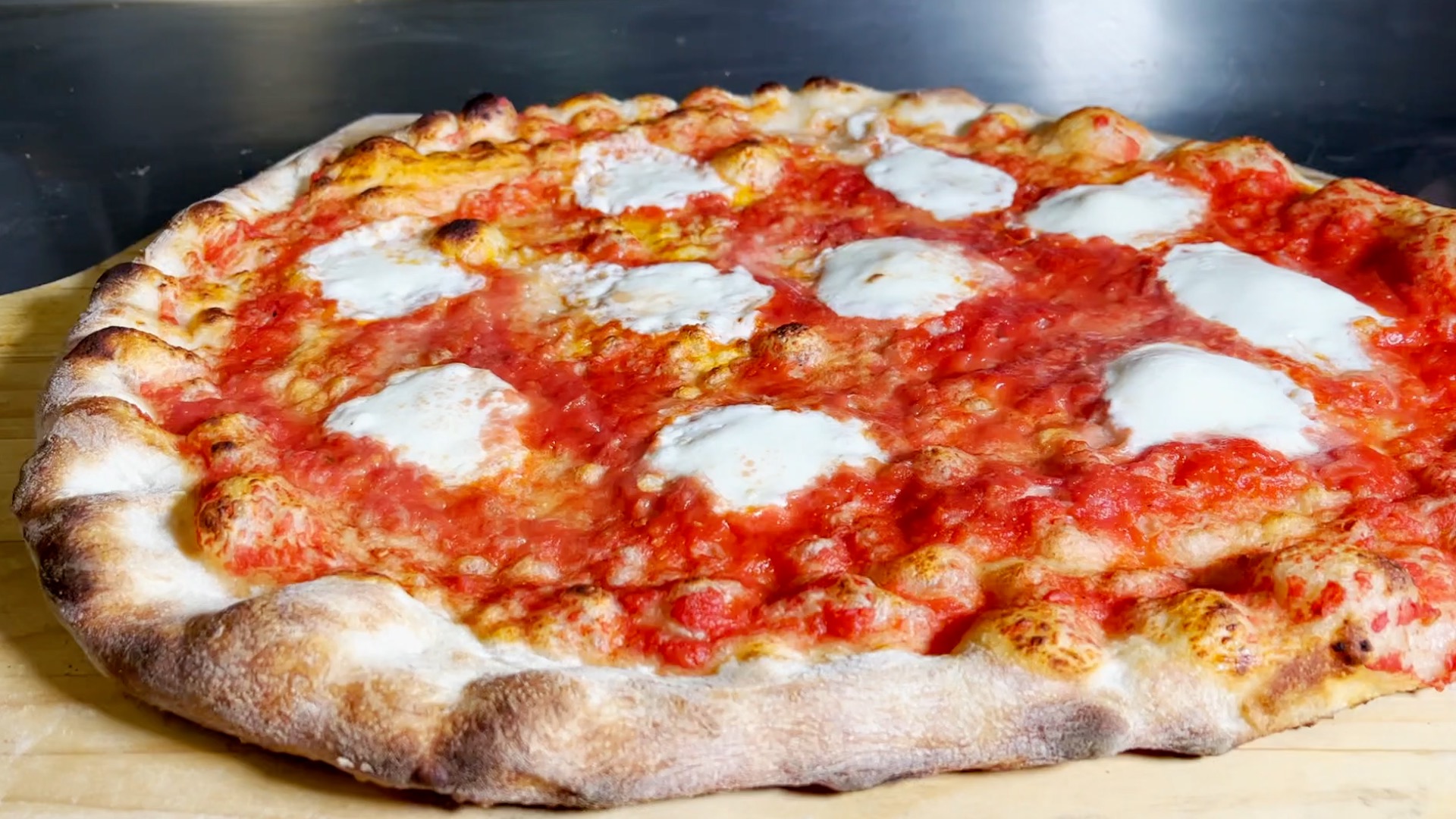
There are cities where pizza is background noise, a quick dinner between errands, and there are cities where a simple cheese pie can start an argument that lasts all night. Boulder sits somewhere in the middle, which is part of its charm. It has the appetite and standards of a serious food town, but it also has the relaxed habits of a place where people might grab a slice after a long ride, a hike, a late class, or a concert downtown. That combination makes cheese pizza in Boulder, Colorado, more interesting than people expect.
A good cheese pizza sounds basic until you spend time chasing a truly memorable one. Then the variables become obvious. The crust has to carry flavor on its own. The sauce cannot hide behind heavy toppings. The cheese needs proper melt, stretch, salt, and browning. Because there is nowhere to hide, a cheese pizza is often the cleanest test of a pizzeria's skill. If a shop can make a balanced plain pie, everything else on the menu usually makes sense.
Boulder is well suited to this kind of simple food scrutiny. Residents care about ingredients. Students and longtime locals both want value. Visitors tend to walk a lot, explore neighborhoods, and fold meals into a day outside. That means cheese pizza here is not just about one slice. It is about timing, setting, appetite, and knowing what kind of pie fits the moment.
Why cheese pizza is the smartest order in Boulder
People sometimes treat cheese pizza as the fallback choice, the thing you order for picky eaters or big groups. In practice, it is often the most revealing item on the menu. Boulder has plenty of restaurants with strong identities, whether they lean East Coast, wood-fired, tavern-inspired, or more modern artisan. A cheese pie lets you see the bones of the place.
On a loaded specialty pizza, a cook can cover small mistakes. Extra sausage can distract from bland dough. Hot honey can soften an overcooked crust. Arugula and prosciutto can convince you something is refined when the base never really worked. On a cheese pizza, those props are gone. You taste fermentation or the lack of it. You notice whether the tomato has brightness. You feel whether the mozzarella was applied with restraint or dumped on so heavily that the center turns soupy.
That matters in Boulder because the dining scene rewards intentional cooking. Many places care deeply about sourcing, technique, and atmosphere. If you are exploring cheese pizza Boulder, Colorado style, you are not looking for one universal winner. You are learning which shop does which style well, and which one suits the mood you are in.
Know the styles before you order
A lot of disappointment comes from ordering the wrong pie for the wrong expectation. Someone craving a crisp, foldable New York slice may walk into a place known for blistered, tender wood-fired crust and decide the pizza is weak, when really it is just a different style. Boulder offers enough variety that this matters.
A classic New York approach tends to emphasize a wider slice, a bit of chew, moderate sauce, and a cheese layer that stretches without overwhelming the crust. It is ideal if you want to eat with your hands, maybe while walking Pearl Street or heading back from campus. The best versions hold their shape but still have some flexibility at the tip.
A Neapolitan or wood-fired style usually comes with more dramatic char spotting, a softer interior crumb, and a lighter feel overall. The center can be looser. If you go in expecting crunch from edge to center, you may miss the point. These pies shine when eaten immediately, often with a knife and fork for the first minute until the structure settles.
There are also hybrid artisan pies, the kind many Colorado towns do well. Think carefully proofed dough, high quality mozzarella, maybe a longer bake than strict Neapolitan, and a strong focus on ingredient quality. These often appeal to people who want a little crispness, a little chew, and a cleaner, less greasy finish.
The point is simple. Before you judge a cheese pizza, understand what it is trying to be.
The crust tells you almost everything
If I have one rule when trying a new pizzeria, it is this: eat a bite of crust by itself. Not dipped in ranch, not buried in chili flakes, not swiped through leftover sauce. Just crust. A well-made dough should taste like bread worth eating on its own, with developed flavor, a little salt, and a texture that reflects the style. In Boulder, where customers tend to appreciate craftsmanship, the best pizza shops usually get this right.
Look at the rim first. A good crust should show some life. Maybe that means a puffed edge with leopard spotting from a hot oven. Maybe it means a flatter edge with a well-browned underside and a firm bite. What you do not want is lifeless pale dough that seems to exist only to support toppings. Cheese pizza exposes that problem fast.
Texture matters just as much as flavor. In Boulder’s dry climate, pizza can cool and stiffen quickly, especially if you are eating outside in cooler weather. That means the window of perfection is sometimes short. A crust that is magical in the first two minutes can turn merely decent by minute ten. If you are serious about getting the best experience, eat promptly. This sounds obvious, but it is astonishing how many people judge pizza after it has sat in a box during a scenic detour.
One of the quiet pleasures of a great cheese pizza is the contrast between the first bite and the last bite of the heel. You want the center to have tenderness and the outer crust to offer a different, toastier expression of the same dough. When both are satisfying, you know the kitchen understands balance.
Sauce can make or break the whole pie
Tomato sauce is easy to overlook when melted cheese takes center stage, but it is where a lot of personality lives. Some shops use a brighter, sharper tomato profile. Others cook the sauce longer for sweetness and depth. Neither is automatically better. The key is proportion and fit.
A good cheese pizza should not taste aggressively acidic, nor should it read like sweet tomato jam. It needs enough brightness to keep the dairy from turning heavy. In Boulder, where many diners favor food that feels clean rather than weighed down, this balance becomes even more important. The pizzas that earn repeat orders often have sauce with restraint, enough to support the cheese without flooding the crust.
When the sauce is right, you notice a kind of rhythm in each bite. First comes the aroma of warm dairy and toasted dough. Then the tomato lifts things up, keeping the bite from flattening into pure richness. If the sauce is too scarce, the pizza can feel muted. If there is too much, the center may slide and the slices lose structure.
I have had excellent cheese pizzas where the sauce was almost understated, barely visible beneath the cheese, and I have had great ones with a more assertive red layer. What matters is that the pizzeria made the choice on purpose.
Cheese should be generous, not clumsy
A lot of people describe pizza cheese with one word: stretchy. Stretch matters, but it is not the whole story. Cheese also brings fat, salt, moisture, browning, and aroma. On a strong cheese pizza, it acts like a conductor, pulling crust and sauce into one coherent bite.
Mozzarella is the usual anchor, but how it is applied changes everything. Low-moisture mozzarella gives a more classic slice-shop pull and browns differently. Fresh mozzarella can create pockets of creaminess and a lighter look, but it can also dump extra moisture if the bake or distribution is not right. Some places blend cheeses for a more complex finish, adding provolone or parmesan for sharper notes.
This is where experience shows. The best pizzerias know that more cheese does not automatically mean a better pie. Too much can smother the sauce, steam the center, and leave a greasy sheen on the box liner. Too little, and the pizza tastes underdressed. Boulder diners tend to appreciate moderation with purpose, and cheese pizza in Boulder, Colorado often reflects that. The strongest pies feel satisfying without becoming leaden.
If you see a pie come out with small browned blisters on the cheese, that is usually a promising sign. It suggests proper heat and enough contact time for flavor to develop. Smooth white cheese with no character can still taste fine, but the memorable pies usually show at least a little roast and variation.
Timing is part of the meal
A great cheese pizza can lose a lot of its magic during transport. This is true anywhere, but Boulder adds some quirks. People often pick up food after being outside all day. They carry boxes across downtown, take them back to lodging, or bring them to a park, trailhead-adjacent hangout, or a friend’s porch in the foothills. Every extra minute changes the pie.
If you can, eat on site. Fresh from the Cheese Pizza Boulder, Colorado oven is not just a slogan. It is the difference between a lively crust and a dulled one, between molten cheese and congealed cheese, between a balanced slice and one where steam has softened the base. For wood-fired styles especially, immediate eating is almost part of the contract.
If takeout is the only option, keep the trip short and crack the box slightly if steam is building. This one move can save the bottom crust from going limp. Do not stack heavy items on top. And if you are heading somewhere scenic, resist the temptation to turn dinner into a delayed reward unless the place is known for a sturdier style.
A short checklist for getting the best pie possible
- Order the cheese pizza first, even if you plan to add another pie for variety.
- Eat it as soon as it is served or picked up.
- Judge the first bite, the center bite, and the crust end separately.
- Add red pepper or grated cheese only after tasting a plain slice.
- If you want leftovers, order extra rather than sacrificing the first pie to travel time.
That sequence sounds fussy on paper, but in practice it is just a smart way to notice what you paid for.
Where you eat it changes how you remember it
One reason people talk so fondly about pizza in Boulder is that the city lends itself to vivid food memories. The pie may be excellent, but the setting does part of the work. A cheese slice after an afternoon on the creek feels different from the same slice eaten in a rush between appointments. A late-night pie near campus has a different energy than an early dinner on a shaded patio.
This matters if you are trying to enjoy, not merely consume, the best cheese pizza Boulder, Colorado has available. Match the meal to the day. If you want to study the pizza itself, choose a quieter hour and dine in. Sit down, slow down, and let the pie arrive at your table rather than in a cardboard box. If you want pure Boulder atmosphere, lean into the movement of the city, pick a lively area, and accept that the setting will shape the experience.
I have found that shoulder hours often deliver the best balance. Too early, and the room can feel flat. Too late, and the rush can stretch the kitchen or turn the dining room noisy enough that you miss the details. Mid-afternoon or an early evening slot often gives you a pie made with care and enough breathing room to enjoy it.
Weather matters too. On hot days, richer cheese pies can feel heavier, and a crisper style may read better. On cold evenings, a more blistered, softer, wood-fired pie can feel perfect. Boulder’s seasons are distinct enough that the same pizza may land differently in January than it does in July.
How locals tend to approach pizza differently from visitors
Visitors often want the most talked-about place, the one with the line or the internet buzz. Locals usually optimize for repeatability. They want a shop that turns out a consistently good pie on a random Wednesday, not just a showpiece experience once a year. That is a useful distinction when you are searching for the best cheese pizza.
A tourist may chase spectacle, giant slices, dramatic char, or a famous oven. A local will notice whether the crust tastes right every visit, whether the lunch slice is as good as the dinner pie, whether the staff handles a rush smoothly, and whether takeout survives the trip home. Neither perspective is wrong, but they answer different questions.
If you are only in town briefly, it makes sense to seek a place with energy and character, somewhere that gives you a feel for Boulder as much as a meal. If you live nearby or visit often, start paying attention to consistency. Order the same cheese pie more than once. Go at different times. See how the place performs when the room is full versus quiet. Real favorites hold up under repetition.
What to order with it, and what to skip at first
Cheese pizza deserves room to speak. I am not opposed to extras, but first visits are not the time to clutter the table with too many distractions. A simple salad can be helpful, especially if the pie leans rich, and sparkling water or a clean lager tends to keep your palate sharp. Heavy appetizers, strong cocktails, or sweet drinks can blur your sense of the pizza itself.
There is also the matter of condiments. Some pizzerias put out red pepper flakes, parmesan, garlic oil, ranch, or hot honey. These have their place. They just should not be your opening move. Taste a full slice plain first. If the pie needs rescuing from condiments, it probably was not the best version of itself to begin with.
One interesting edge case is the naturally salty pie. At higher levels of cheese intensity, adding parmesan can push the balance too far. On a gentler pie with a milder mozzarella profile, a little grated hard cheese may sharpen things nicely. Judgment counts here more than habit.
Price, value, and the Boulder factor
Boulder is not a bargain city, and pizza prices can reflect that. Higher labor costs, premium ingredients, and desirable real estate all show up on the check. That does not mean every expensive pie is worth it, nor that cheaper options are automatically inferior. It means value should be measured by more than diameter.
A thoughtfully made twelve-inch artisan pie can satisfy more than a larger, flabbier one because each slice carries more flavor and better texture. On the other hand, if you are feeding a group of students or a family, practicality matters. A very good large-format cheese pizza with dependable structure may give more real enjoyment than a precious smaller pie that costs nearly as much and disappears instantly.
When weighing price, think in terms of experience. Did the crust show skill? Did the ingredients taste intentional? Did the service and timing support the meal? Was the pie something you would order again? In a town like Boulder, where people are accustomed to paying for quality but still expect competence, those questions matter more than the menu number alone.
Signs you have found a place worth returning to
- The cheese pizza tastes complete without any added toppings or condiments.
- The crust edge is worth finishing, not abandoning on the plate.
- The center holds up long enough to enjoy, even if the style is soft.
- The sauce and cheese stay in balance through the final slice.
- You find yourself planning a return visit rather than just checking the place off a list.
That last point is the real test. Great pizza creates appetite for the next time.
A practical way to build your own Boulder cheese pizza map
If you want more than a one-off meal, create your own internal guide to the city’s pizzerias. This does not require spreadsheets or scorecards, although some people enjoy that. It simply means paying attention to what each place does best.
You might notice that one shop is ideal for a solo lunch slice near downtown, another shines for sit-down dinner, and a third is the reliable takeout option when weather keeps everyone indoors. One may excel at crisp-bottomed slices, while another gives you the softer, flame-kissed pie you crave after a cold evening out. Once you start sorting places by use case instead of trying to crown one universal champion, Boulder’s pizza scene opens up.
I learned this years ago in another mountain-adjacent food town, where locals argued endlessly over which pizza place was best. Eventually it became clear that everyone was right within a narrow context. The best late-night slice was not the best date-night pie. Cheese Pizza Boulder, Colorado The best dine-in pie was not the best delivery pie. Boulder rewards the same kind of thinking.
Cheese pizza is especially useful for building that map because it gives you a stable baseline. Try the plain pie first, then branch out later if you want. The shops that impress you with cheese are the ones most likely to earn your trust across the menu.
Enjoying the pie without overthinking it
There is a point where analysis should stop and appetite should take over. Pizza is still one of the most democratic foods around. It is meant to be shared, folded, burned at the fingertips a little, and eaten while conversation drifts. Boulder may attract people who care about sourcing, technique, and detail, but the joy of cheese pizza remains uncomplicated.
So pay attention, yes. Notice the crust. Respect the timing. Learn the styles. Order smart. But once the pie arrives, let the food do what it is supposed to do. Pull a slice free. Watch the cheese stretch. Take the bite while it is still too hot by a few seconds. That is usually where the best memories begin.
When people ask how to enjoy the best cheese pizza Boulder, Colorado has to offer, the answer is not a single address or a single rule. It is a way of looking. Treat cheese pizza as the benchmark it is. Match the style to the moment. Eat it fresh. Trust your senses more than hype. The city will take care of the rest.
Brooklyn Pizza
Address: 1647 Arapahoe Ave, Boulder, CO 80302
Phone number: +17203282324
FAQ About Cheese Pizza Boulder, Colorado
What is usually on a cheese pizza?
A standard cheese pizza consists of a yeast dough crust, a seasoned tomato-based sauce, and melted mozzarella cheese.
What is a cheese pizza called?
A basic cheese pizza is simply called a cheese pizza, a plain pizza, or a plain pie.
What is the best recipe for cheese pizza?
The best cheese pizza recipe uses high-heat baking, a simple raw tomato sauce, and a mix of low-moisture and fresh mozzarella cheese on a homemade yeast dough.